
How 90s Golden Era Streetwear Shaped Fashion (and Everything Around It)
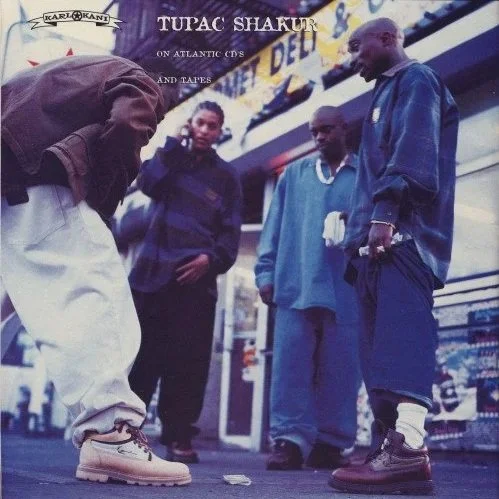
Photo credit: The Source
The golden era wasn’t just a look — it was a language
When people say “90s streetwear,” they usually picture baggy jeans, heavyweight hoodies, and sneakers that looked like they’d actually been lived in. But the real influence runs deeper than silhouettes.
Golden era streetwear (roughly early 90s to early 2000s) came from hiphop culture doing what it’s always done: taking what’s available, remixing it, and turning it into identity. It wasn’t built for runways. It was built for real life — studio sessions, block corners, skate spots, record shops, late-night radio, and the everyday grind.
That’s the part modern fashion keeps borrowing: not just the fit, but the confidence behind it.
What defined 90s golden era streetwear (the stuff people still chase)
A lot of brands try to “go oversized” today and miss the point. Golden era fit was relaxed, practical, and intentional.
Oversized, not cartoonish: dropped shoulders, longer lengths, room to move
Heavyweight fabrics: hoodies and sweats that held shape and lasted
Function built in: pockets, durable stitching, pieces you could wear daily
Minimal graphics (or meaningful ones): logos and prints that felt earned, not loud for attention
Uniform energy: full sets, consistent colorways, clean layers — the outfit was a statement
This is why the era still hits: it was about presence. The clothes didn’t need to scream.
The hiphop effect: how music turned streetwear into culture
In the 90s, hiphop wasn’t just influencing fashion — it was teaching fashion.
Artists made everyday pieces iconic because they wore them with purpose. The look said something before you spoke: where you’re from, what you’re into, what you stand for.
That’s why album eras matter. A project wasn’t just music — it was artwork, attitude, and aesthetic. When you pull inspiration from classic records, you’re tapping into a whole world people still respect.
For a brand like 4 The Culture Clothing (4TC), that connection isn’t a gimmick. It’s the foundation: premium streetwear inspired by golden era hiphop, built with the same respect the culture demands.
Beyond fashion: where golden era streetwear shows up today
The influence didn’t stay in clothing. It spread into how brands communicate, how communities form, and how people express identity.
1) Branding and design
Modern branding loves “street” cues: bold typography, gritty textures, minimal palettes, and logo systems that feel like crews and collectives.
Golden era culture helped normalize the idea that a logo can mean belonging — not just a company.
2) Art and visual culture
Graffiti, album cover design, and DIY aesthetics shaped everything from street posters to high-end fashion campaigns. Today’s “raw” creative direction (film grain, flash photography, imperfect edges) is basically a polished version of what the culture was doing naturally.
3) Sports and lifestyle
Basketball and streetwear became inseparable in the 90s. The same happened with skate, BMX, and the wider “street” lifestyle. That crossover is now the blueprint for modern collabs.
4) The way people shop
Limited drops, scarcity, and “you had to be there” energy existed long before hype culture had a name. Golden era streetwear taught people to value pieces that feel rare, personal, and tied to a moment.
That’s why limited production still matters — it keeps the product connected to the culture, not mass-market noise.
The comeback: why the 90s fit is back (and why it’s not going anywhere)
Fashion cycles, but culture sticks.
People are moving away from ultra-skinny silhouettes and disposable fast fashion. They want:
Comfort without looking lazy
Quality that lasts
Fits that feel confident
Pieces with meaning
Golden era streetwear checks every box.
And the best part? You don’t need to over-design it. The fit and fabric do the talking.
How 4TC brings the golden era forward (without turning it into costume)
There’s a difference between “inspired by the 90s” and “trying to cosplay the 90s.”
4TC’s lane is clear:
Authentic oversized fits that feel like the era, not a trend
Premium heavyweight materials that hold shape and wear better over time
Subtle, intentional design (less in-your-face, more culture-first)
Album-inspired storytelling that connects the product to real hiphop history
Whether it’s a heavyweight hoodie, a relaxed jogger, or a functional accessory, the goal is the same: make pieces that feel like they belong in the golden era — and in your rotation right now.
Style it like the era (without looking stuck in it)
If you want that golden era energy today, keep it simple:
Start with the fit: oversized hoodie + relaxed joggers is the base uniform
Keep the palette clean: black, grey, olive, beige — timeless and easy to layer
Let one piece lead: heavyweight fabric, strong silhouette, or a clean graphic
Finish with function: outerwear, crossbody bag, or a solid sneaker
The point isn’t to recreate a music video. It’s to carry the confidence.
Final word: the culture made the clothes — and the clothes carried the culture
Golden era streetwear didn’t become influential because it was trendy. It became influential because it was honest.
It came from real people, real music, real movement — and it still resonates because that foundation doesn’t expire.
If you’re building a wardrobe (or a brand) around that era, the mission is simple: respect the roots, focus on quality, and let the fit speak.
If that’s your lane too, you’ll feel at home here.